
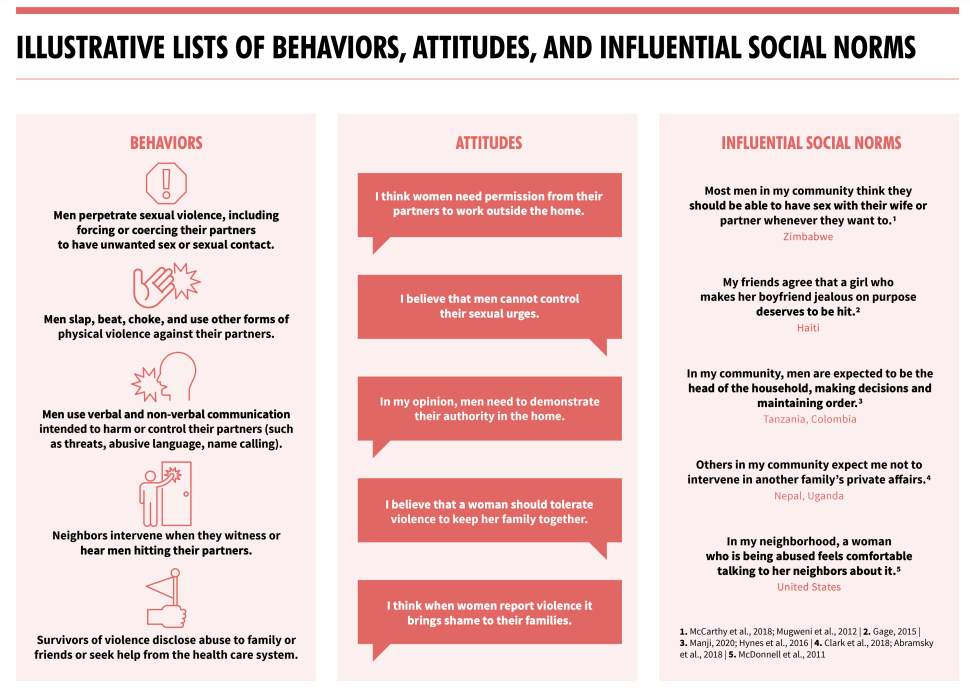
Understand and transform social norms

Understand and transform social norms
Case Studies


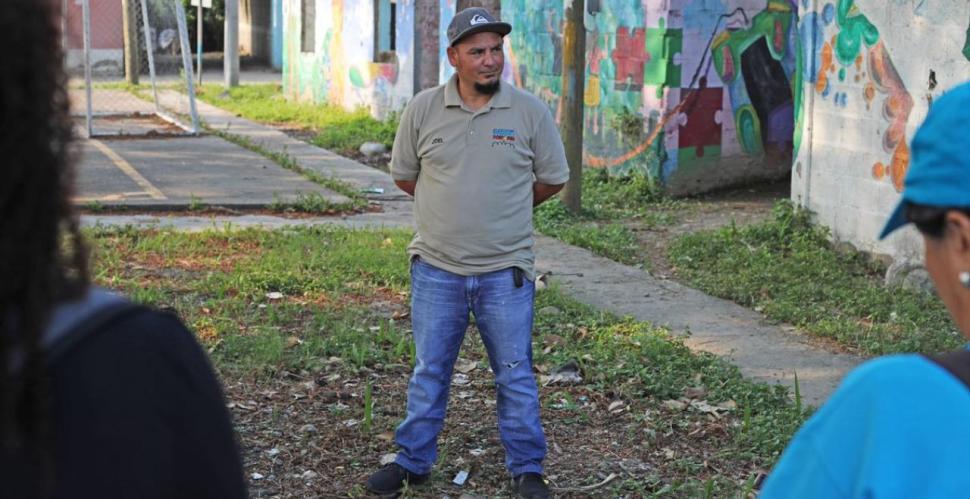
Spotlight Initiative in Honduras supported the ‘Cure Violence’ model – a transformative approach aimed at reshaping social norms to address femicide and violence against women and girls. Honduras has the highest femicide rate in Latin America at 4.3 cases per 100,000 women in 2024, with a culture of impunity where most of these crimes go unpunished. This UNICEF-supported initiative mobilised communities to change social norms in areas affected by gang violence and trafficking. It used ‘violence interrupters’ to lead community dialogues and efforts to identify and prevent instances of violence. Their mission was not only to intervene in violent situations but also to strengthen the capacities of diverse communities to identify risk factors and use a collective approach to save lives.
Results: In 25 neighborhoods of Choloma and nearby San Pedro Sula, the team of violence interrupters interrupted 1,770 highly violent incidents, including more than 724 incidents specifically against women and girls, ranging from sexual violence to trafficking and exploitation. Of the total incidents averted, 65 per cent involved the prevention of femicide. Examples of prevention include a group of five women being harassed, coerced and threatened by a local gang. They contacted violence interrupters, who arranged their transport out of the area and temporary shelter. Overall, crime rates reduced in targeted areas by more than half, violence interrupters helped to create this positive trajectory, building community capacity on risk identification and de-escalation tactics.
The model combined rapid response with efforts to change social norms around harmful masculinity and gender inequality through community dialogue and youth engagement to tackle GBV. In communities where children are raised in a culture of machismo, believing men are superior and women submissive, the programme worked with young people as agents of change within their peer group and spheres of influence to create lasting change.
Read the Spotlight Initiative Honduras Final Report here.


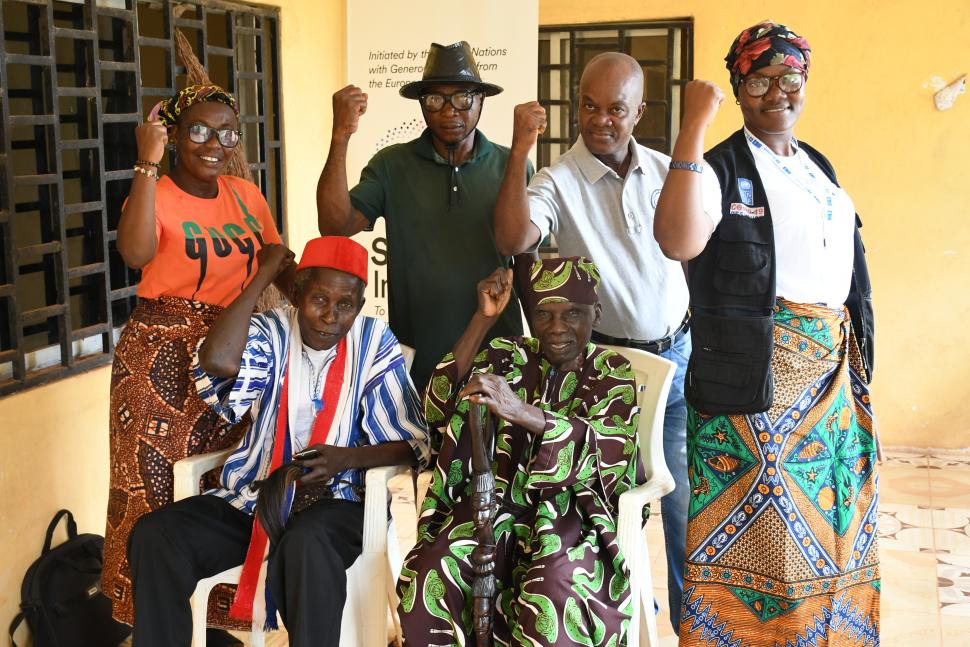
In Liberia, Spotlight Initiative developed partnerships with nearly 450 traditional leaders to shift community perceptions and practices surrounding female genital mutilation (FGM). In Liberia, approximately 83% of women and girls aged 15 to 49 have undergone FGM, according to the 2020 Demographic and Health Survey.
“We have started to respect and value our wives, women and girls, treating them with love and care.” - Chief Wilfred Gahr, Co-Chairman for Administration of the Traditional Council of Chiefs and Elders of Liberia
By leveraging the influence and authority of traditional leaders, Spotlight Initiative aimed to address and shift deeply entrenched social norms around FGM. Traditional leaders committed to the concept of ‘Initiation without Mutilation’ whereby girls can undergo the cultural rites of passage into womanhood without FGM.
Through its close partnership with the influential National Traditional Council of Chiefs and Elders, Spotlight Initiative's first phase of programming contributed to:
- The closure of 65 bush schools where girls undergo a series of rituals, including FGM.
- A commitment from an additional 300 traditional Zoes (women elders), including 97 head Zoes and 203 practitioners, to cease FGM activities and pursue alternative livelihoods.
Find out how communities are building on these gains in the second phase of Spotlight Initiative Liberia (2025-2029) here.