
How the Fa’afafine Association is working to protect the rights of gender diverse people in Samoa

APIA, Samoa - In Samoa, Fa’afafine and Fa’afatama have long been recognized as fluid genders, holding respected cultural roles and contributing significantly to family life, community leadership and traditional ceremonies. Despite this established place in Samoan society, Fa’afafine and Fa’afatama continue to face gender-based discrimination and violence.
The Samoa Fa’afafine Association (SFA) was founded in 2006 to provide support for these communities, as well as the LGBTQI+ community more broadly. Below, Fagalima Tuatagaloa of the SFA explains how they are working to end gender-based violence in all its forms.
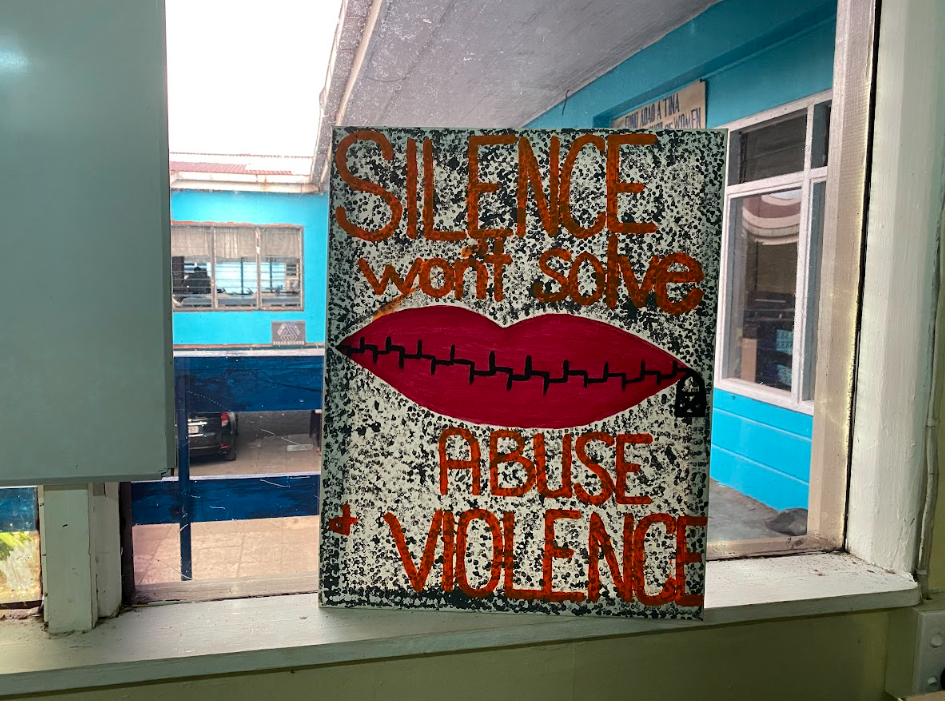
Why do gender non-confirming people face a higher risk of violence?
Violence happens because of gender inequality, unequal employment opportunities and because people rank themselves in status. It also happens because there is not enough awareness within the community. There were a lot of fa’afatama members who were being violated by their families. They were not being valued for their contributions because of their sexual identity.
What kind of work do you do?
We started out working with the Ministry of Health doing HIV and AIDS prevention advocacy. That expanded to include domestic violence, as there is a connection between domestic violence and HIV and AIDS. And it continues to climate change advocacy and the environment – because we see that when natural disasters happen, a lot of people are left out [of response plans] and become homeless. Not only our communities, but the majority of the population.
We also engage with the government and other NGOs to ensure that they are not talking just about men and women, but other gender identities too.

What are some of the results of your work?
We were involved in the development of the National Policy for Gender Equality and the National Policy for Family Safety and Prevention. We also worked with the Samoa Victim Support Group on their activities on ending violence against women and girls in the communities, and we have been working very closely with the Ministry of Police. We work with them on domestic violence, because they need to understand that we are not different. We are also part of this community. We are survivors of domestic violence, and we've been facing domestic violence since we entered this world. The Samoa Fa’afafine Association was also involved in the development of the social protection system for Samoa.
"We call it “edutaining” — while we are entertaining, we are also educating our people about violence." - Fagalima Tuatagaloa, Samoa Fa'afafine Association
What kind of community outreach do you do?
We do a lot of awareness programmes that go out into the community, where we target village mayors, village government representatives, youth groups, church and faith‑based organizations. These are direct sessions where we sit with the community and discuss issues about sexual reproductive health, HIV and AIDS, TB and STIs. We touch on issues about family recovery, alcohol and drugs, and domestic violence.
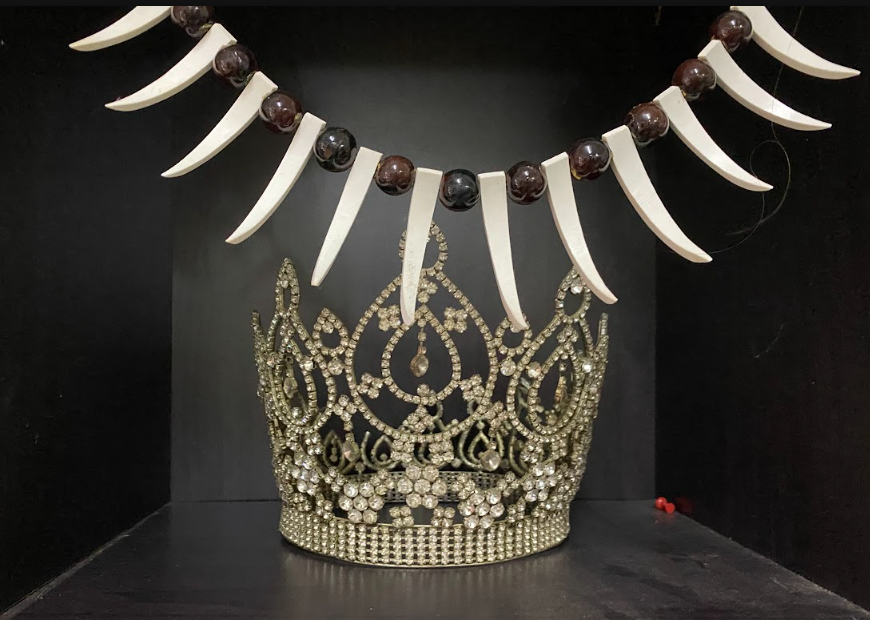
During Fa’afafine Week, we have a national forum and violence is one of the sessions that is covered. We have a national pageant, which is the finale of Fa’afafine‑Fa’afatama Week, and violence is always one of the topics to cover in contestants’ speeches. We call it “edutaining” — while we are entertaining, we are also educating our people about these issues. Samoan people don’t like sitting down and being preached to. They love to sit down and share stories.
How did Spotlight Initiative strengthen your work?
When Spotlight Initiative came, everyone was talking about ending violence against women. Through Spotlight, we were able to work together. Before that, civil society organizations were competing with each other. We were doing violence prevention, they were doing violence prevention, and everyone was trying to prove that their activities were better. But when Spotlight came and established the National Reference Group, we could sit down together, talk, share work, share resources and work together.
Spotlight Initiative also supported the development of village prevention committees, bringing together matais, chiefs, women and young people to initiate activities that would help raise awareness within their own communities.
Interview has been edited for length and clarity.