
In Manabí, economic empowerment paves the way to autonomy amid violence

MANABI, Ecuador - Manabí is one of the most violent provinces in Ecuador - and the world. According to the Judicial Council in Ecuador, between August 2024 and July 2025,107 women were victims of femicide and violent deaths.
But women in Manabí are committed to building a safer and more equitable future for themselves and each other. Here, many are undertaking economic empowerment training to build financial independence and create the autonomy they need to break the cycle of violence.
PURPOSE-DRIVEN ENTERPRISES
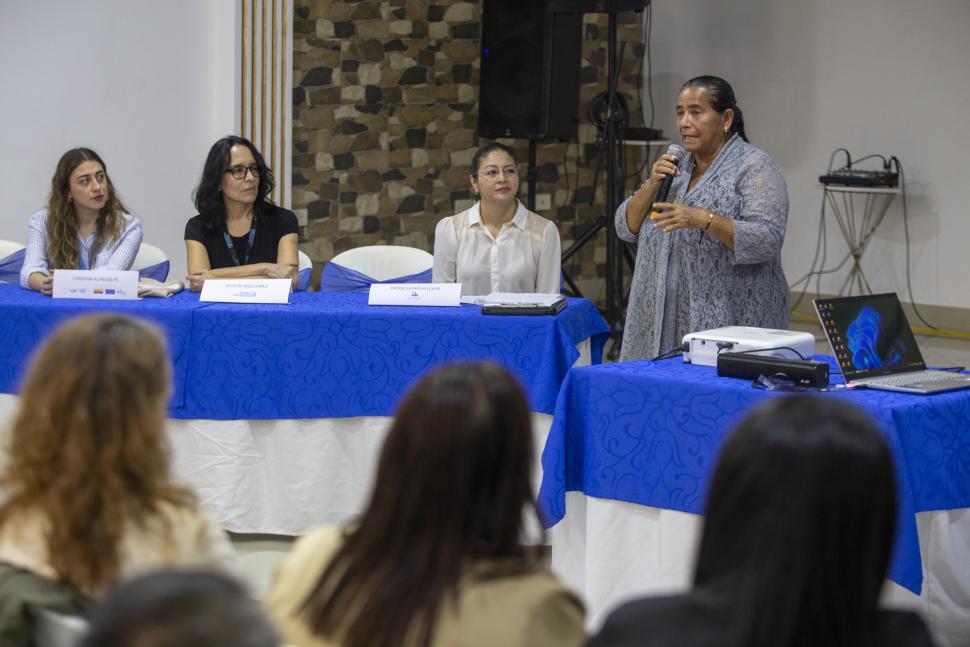
Consuelo Rivadeneira is a community leader from Manabí who promotes the empowerment and advocacy of rural women in her province. For her, women’s economic autonomy is essential to driving change.
“In Portoviejo and the neighborhoods where we live, there is still a lot of machismo; women depend on men,” explains Consuelo Rivadeneira.
“In rural areas, men survive solely on agriculture, and often that barely provides enough to feed themselves. But women also need other changes; there are other needs, and that is where she, through a small business, can thrive. She can gain visibility among other [benefits].”
In 2025, the second phase of Spotlight Initiative in Ecuador implemented a program that included a series of workshops on economic empowerment and livelihoods for women who are victims of gender-based violence, members of women’s rights organizations, and neighborhood leaders in Manabí and Morona Santiago. In the workshops, almost 50 women received training on business models, entrepreneurship, sales and digital marketing.
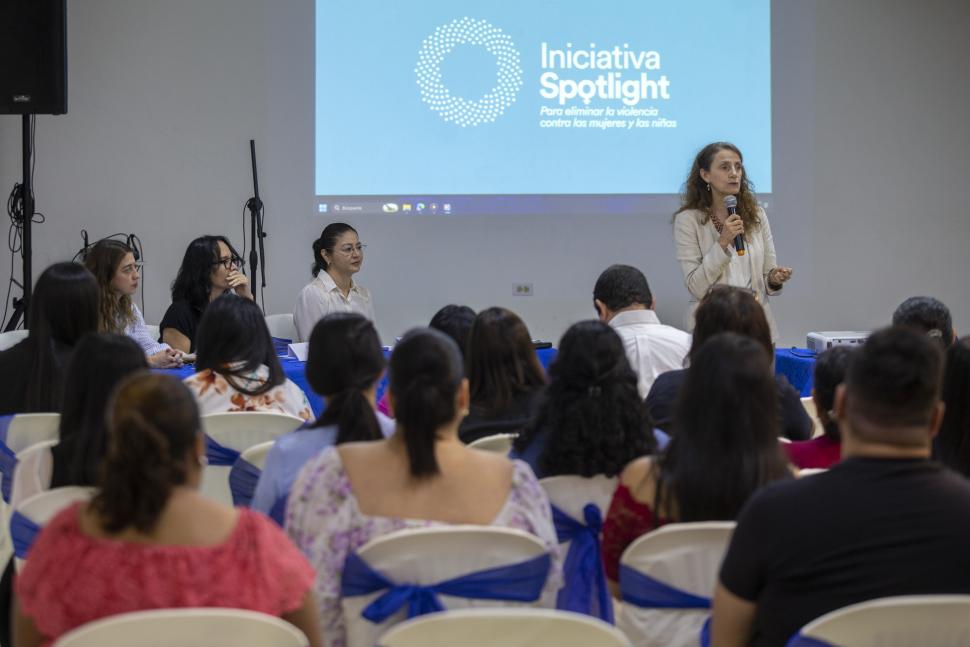
“Often, women are made invisible; even though we work very hard, we still suffer from violence... in our surroundings or elsewhere, we still face this kind of violence, and this will help us tremendously,” says Ms. Rivadeneira
MANABÍ WEAVERS
The term “Manabí weaver” refers to the traditional artisans of Manabí who wove toquilla straw hats, a symbol of Manabí and Ecuadorian identity. The organization Tejedoras Manabitas preserves that legacy. They work in urban and rural cantons across the province with women who are victims of gender-based violence. Their goal is to create a network of women to advocate, provide support and accompany one another on their journeys to break free from cycles of violence.
According to Virginia Mera, member of Tejedoras Manabitas, “... that is what we do as a collective and what we strive for—that the women in our communities experience this awakening and can also feel supported.”
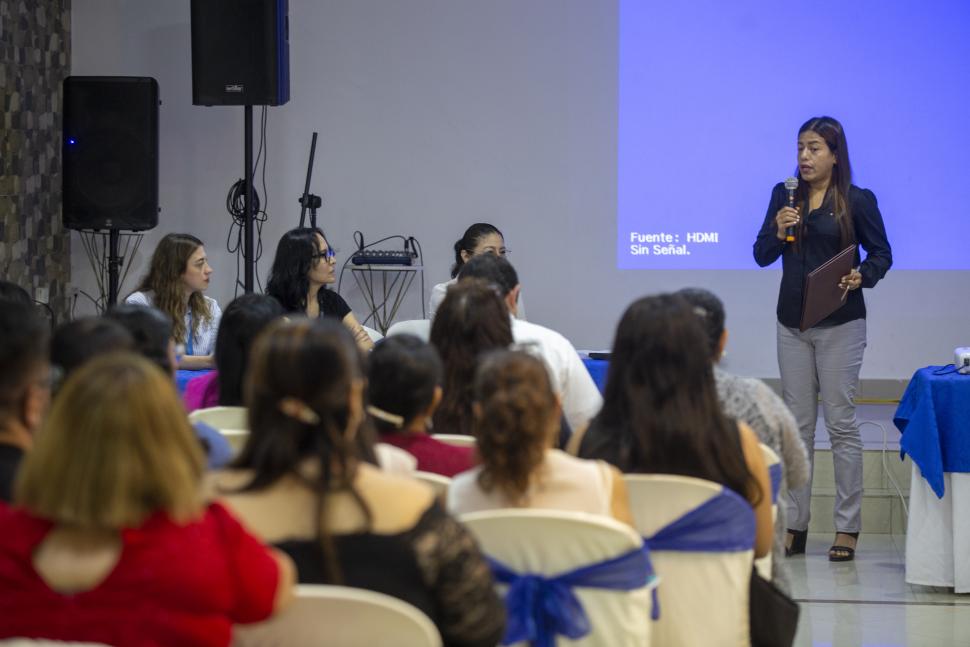
Ms. Mera participated in the economic empowerment workshops and reflected on the impact of economic independence for women in her province: “I believe it is very important to strengthen our businesses not only through practical experience but also in a more formal way. You can start a business so that this also changes both your lifestyle and that of your family. I believe it makes us powerful; it makes us free women.”
NEW OPPORTUNITIES
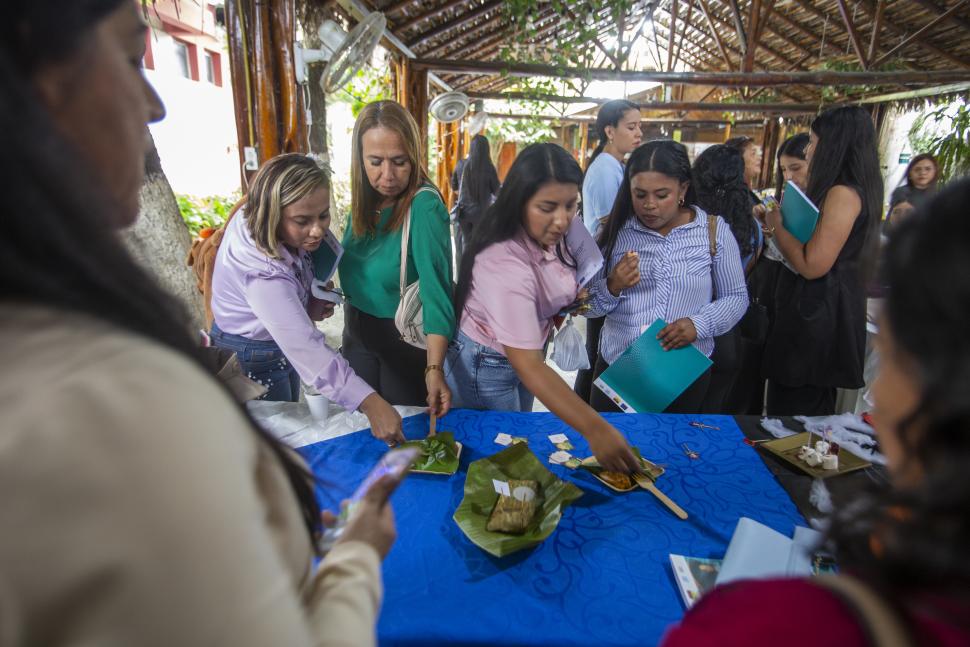
Twenty-three trainees also accessed seed capital to strengthen their businesses and life plans,paving the way toward autonomy and freedom.
“After experiencing violence from my partner and within my family, I had to overcome the shame and pick myself up to move forward, and having a source of income has been the key to bettering myself,” says Yumaika Cantos from Portoviejo.
By Ana Nájera Erráez