
Women breaking barriers: Celebrating trailblazers during Women's History Month

UNITED NATIONS, New York – At the conclusion of Women’s History Month, Spotlight Initiative and Rise, a non-profit advocacy organization for the rights of survivors of sexual violence, hosted a high-level event recognizing trailblazing women across different industries around the world.
‘Women Breaking Barriers’ convened women leaders and allies at the forefront of entertainment, science, media and business to highlight the impact of gender-based violence on the trajectories of women and girls.
It was supported by the Permanent Missions to the United Nations of Viet Nam, Sweden and Uruguay.
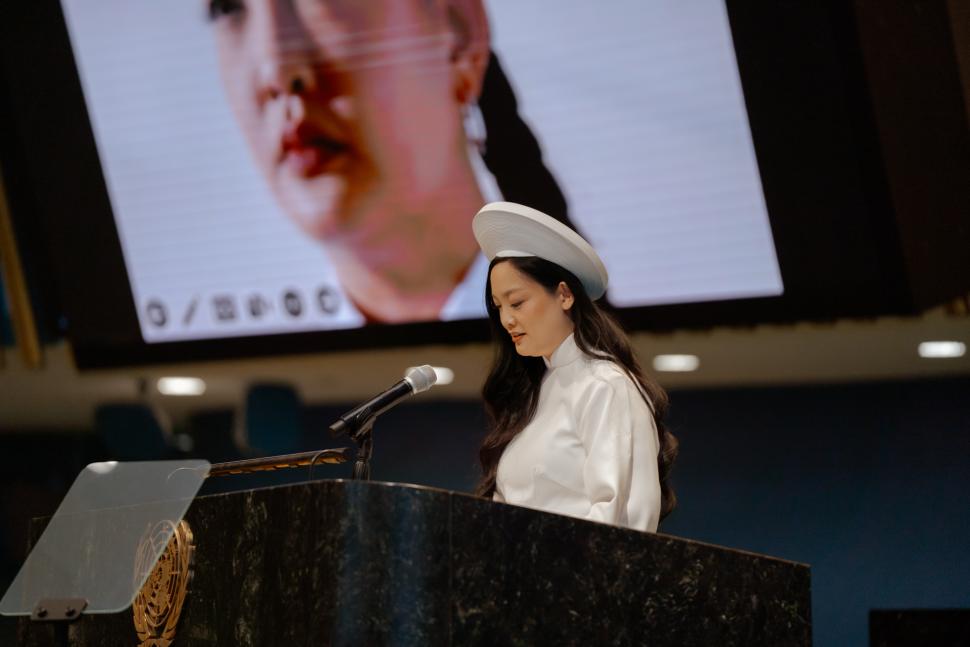
Astronaut, Founder & CEO of Rise, Amanda Nguyen, opened the event. She shared how being raped in her final year of college had delayed her dreams of becoming an astronaut after she paused her studies to help pass laws that protect the rights of survivors of sexual violence.
“I still remember when I felt powerless, walking out of the hospital all those years ago, after my rape kit procedure,” said Ms. Nguyen. “I’d never more fully understood the definition of lonely than at that moment. When I look at this crowd, I am not lonely anymore."
“When we were fighting to pass the United Nations resolution (Universal Survivor Bill of Rights), people told me that it would be impossible. But here, at the United Nations, we passed the first ever UN General Assembly standalone resolution for rape survivors by consensus.”
“No one is powerless when we come together,” Ms. Nguyen concluded.
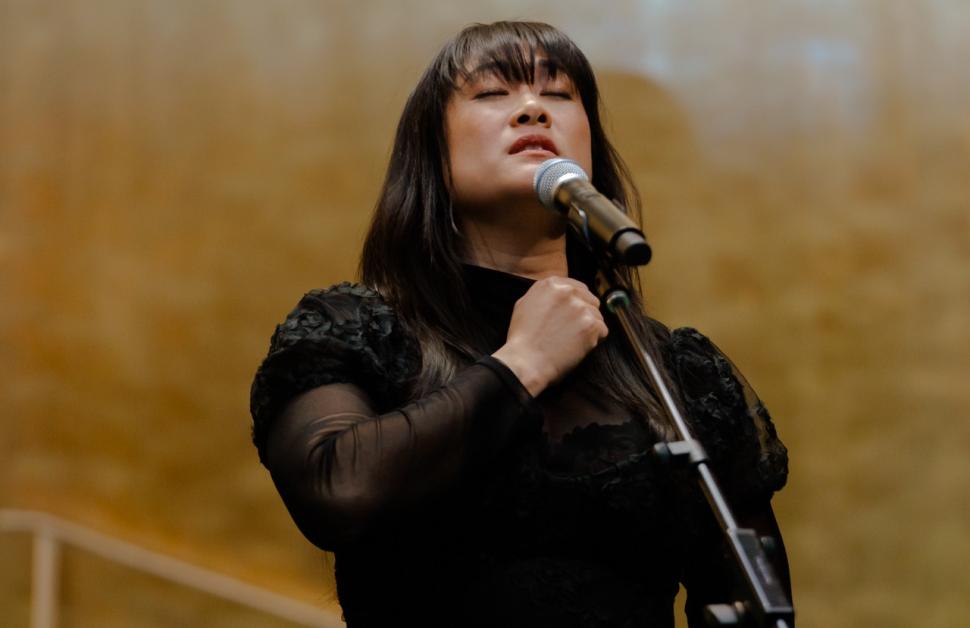
Musician and activist MILCK performed ‘The Mother’s Call’, a song she wrote for the walk through Rome organized by Palestinian and Israeli women just days earlier to call for a permanent end to violence and the inclusion of women in peace negotiations.
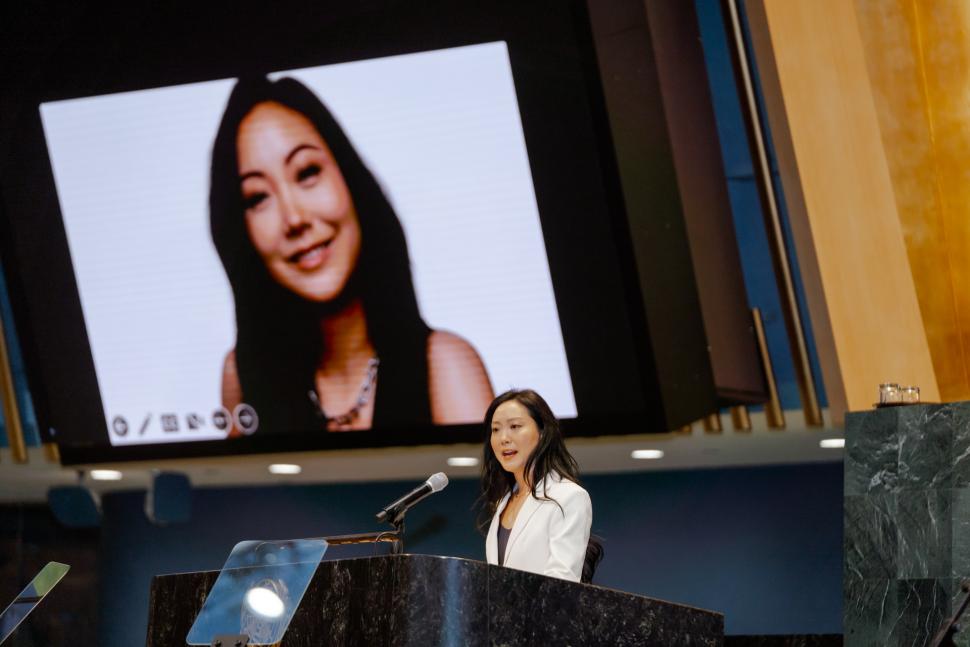
Comedian Sandra Kwon, also known by her online moniker “Jeenie Weenie”, recounted how she went from flight attendant to comedian with millions of followers by using comedy as a “way to dismantle stereotypes that have too long been written for us, not by us.”
“As an Asian Canadian woman, I was often met with the ‘model minority’ myth – the expectation to be quiet, compliant and invisible in the face of friction,” she said. “By sharing my story, I realized that millions of women were looking for permission to take up space.”
She acknowledged that this was not a privilege afforded to all women, honouring those in Palestine, the Congo, Sudan, Iran, Afghanistan, Ukraine and Haiti – “where barriers are not made of glass, but of fire and silence”.
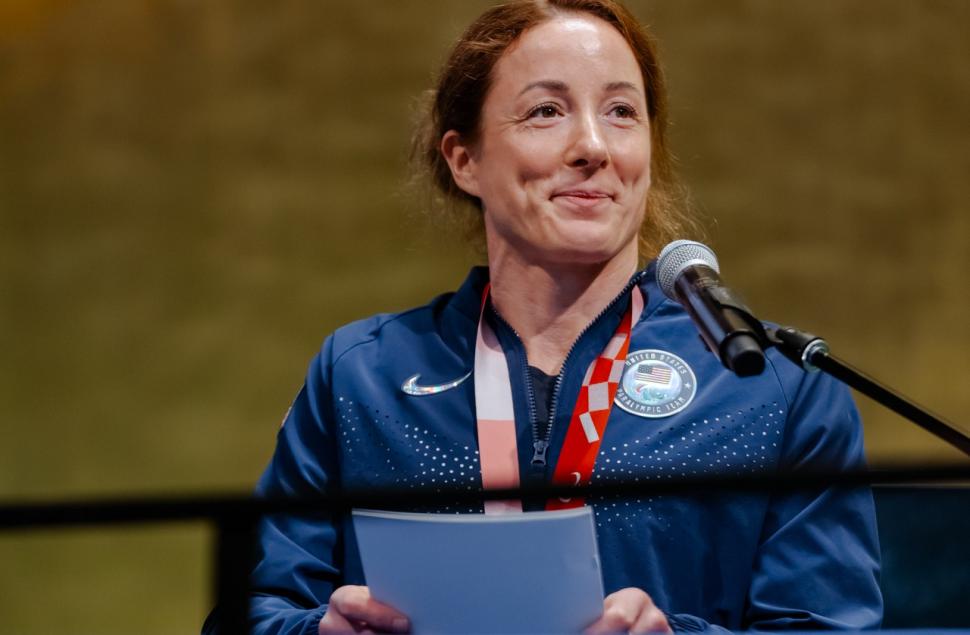
American Paralympic athlete, Tatyana McFadden, recalled her own journey from an orphanage in Russia to becoming the most decorated track athlete in U.S. history. She drew attention to the disproportionate levels of violence experienced by girls and women with disabilities, sharing the abuse she suffered “night after night” at the orphanage.
“We all share the responsibility for making this world a safer place for all girls and women, yes, but most importantly those with disabilities who have no voice and who are so easily and often forgotten,” Ms. McFadden said.
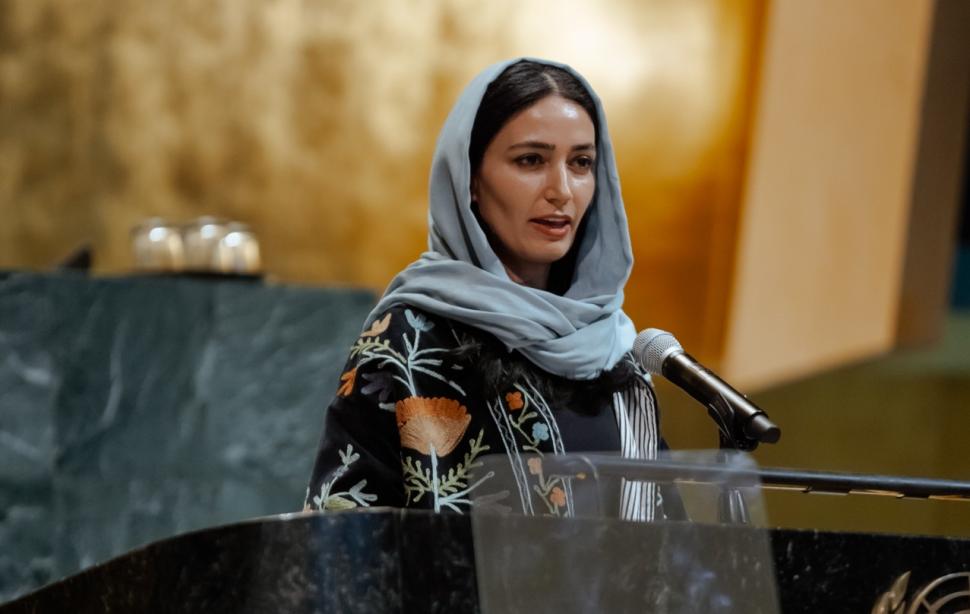
Founder of Code to Inspire, Fereshteh Forough, established the first coding school for girls in Afghanistan. “I was born a refugee in Iran. I grew up knowing what it means to have your future decided for you,” said Ms. Forough. “But I also know what happens when a woman refuses to accept that.”
Ms. Forough called for international solidarity and said that despite the deliberate erasure of women and girls from public life in Afghanistan, “Our students never gave up. They continue to log on, learn and build. Quietly, persistently and with extraordinary courage… They are not waiting to be saved, they are forging their own path.”
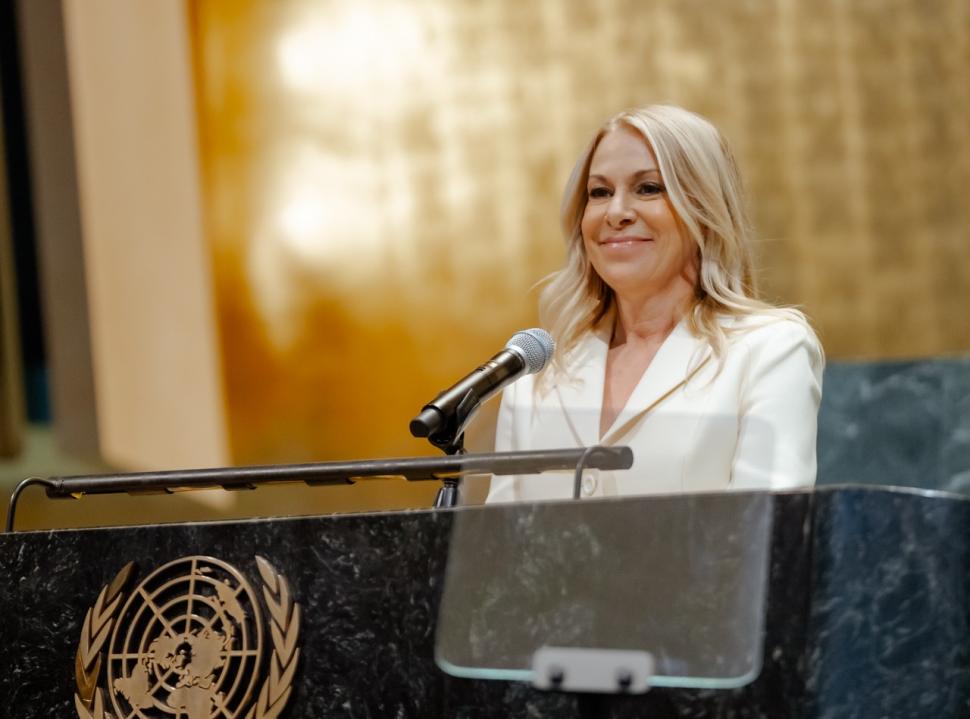
CEO of TIME, Jessica Sibley, spoke about being raised by a single mother. “I saw my mother struggle financially, and my number one goal was always to be able to pay my own bills without having to ask anyone for a handout,” she said.
“At Time, we promise to tell all of your stories, just like we have for over 100 years.”
Ms. Nguyen presented awards to women in STEM, including Dr. Sian Proctor, Sharon Hagle, Katya Echazarreta, Keisha Schahaff, Nicolina Elrick, Kerianne Flynn, Dr. Gretchen Greene, Ali Keener, Deborah Martorell and Sarah Knights, Canan Dagdeviren.
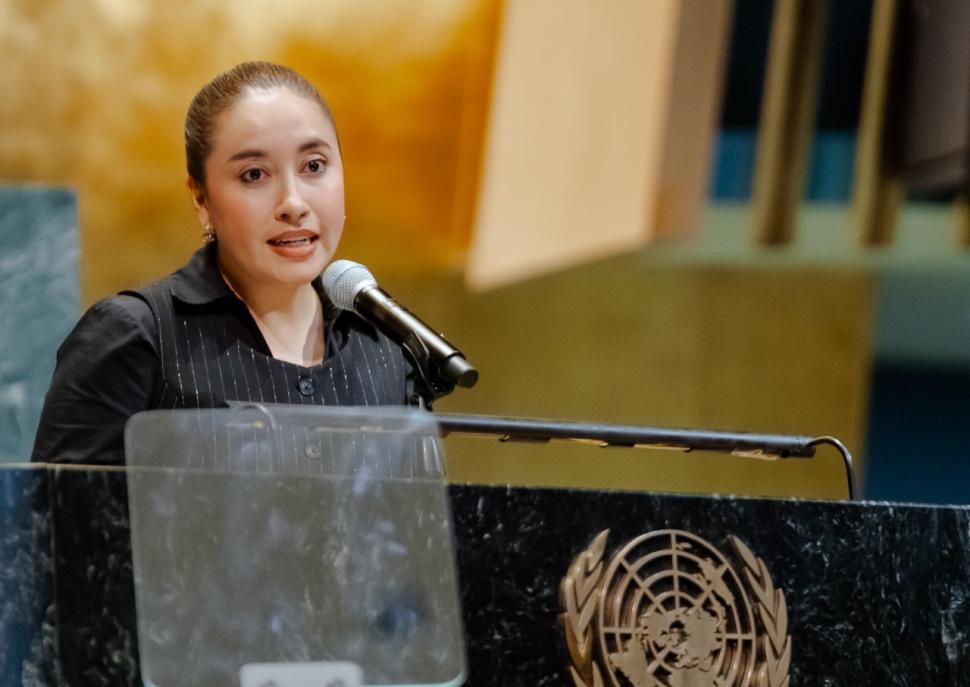
“I come from a long line of women who were never given a choice – any choice,” said Katya Echazarreta, the first Mexican-born woman to fly to space. She recounted how her great grandmother had shaved her head in the hopes of averting a forced marriage. “I not only carry her name, but I carry her resistance forward,” said Ms. Echazarreta.
“In so many regions around the world, women are not just being held back. They are being disappeared, they are being taken and they are being murdered. How can a woman worry what it is she is going to study if she doesn’t even know the bus ride she is going to take home at night is going to be the choice that finally kills her?”
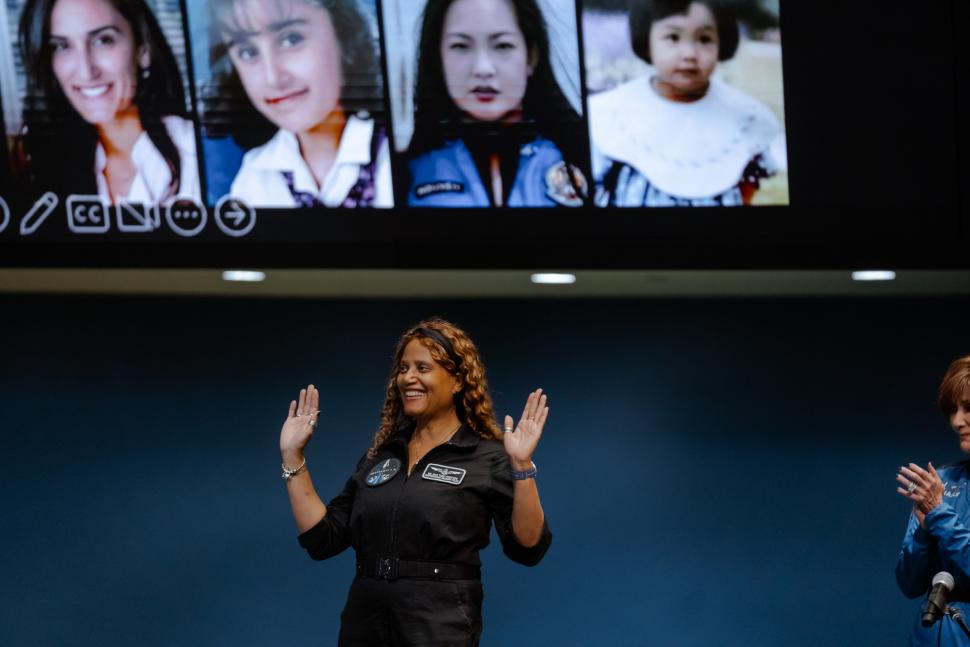
Poet Dr. Sian Proctor performed a poem entitled ‘Why We Rise’. She said, “Through disruption and innovation, we celebrate here, today, a future filled with HER-story.”
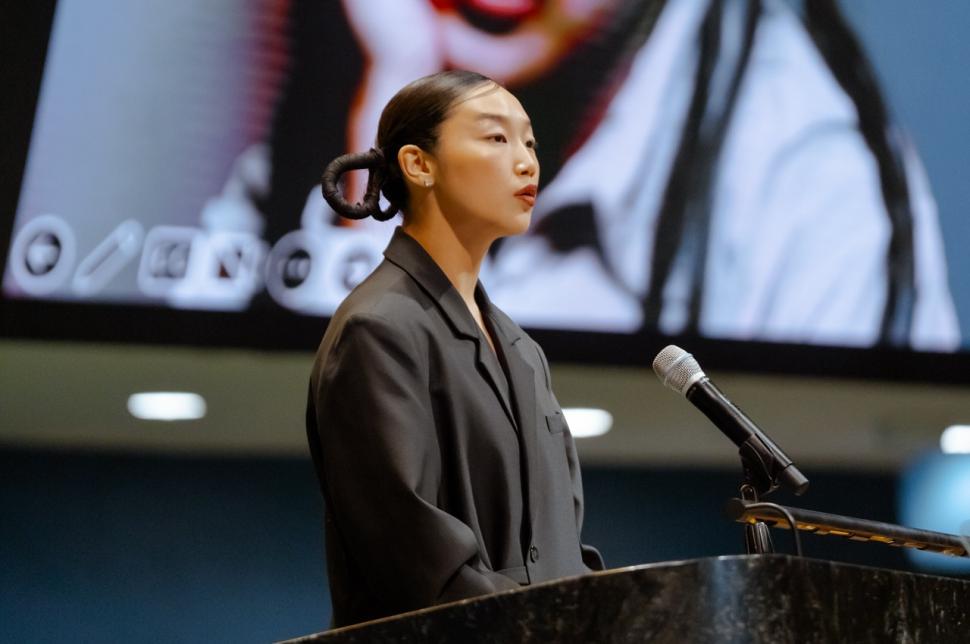
Grammy-winning recording artist Audrey Nuna, who provides the singing voice for the character of Mira in the film ‘K-Pop Demon Hunters’, spoke about the importance of representation and protecting the human rights of women and girls globally.
“Investing in women and girls is not charity, it is the single most effective and transformative thing a society can do,” said Ms. Nuna. “Today I urge any and all world leaders, and my fellow citizens, to be bold... We must take our love, our anger, far past social media alone – straight to the polls, the fundraisers and, of course, to the art that we make.”
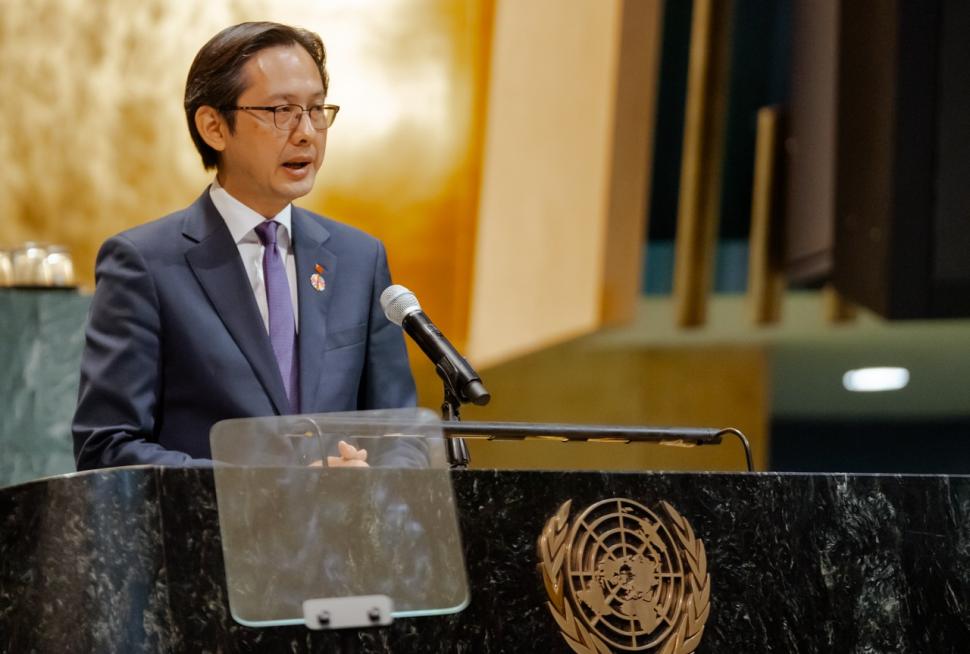
Permanent Representative to the United Nations of Viet Nam, Do Hung Viet, acknowledged the systemic obstacles faced by women, stating: “Most barriers are invisible. Opportunities that never come, social norms that quietly limit choices, the lasting impact of violence that takes time and support to heal. This is why breaking barriers is not only about extraordinary achievements. It’s about ensuring equal access to opportunities at every stage of life.”
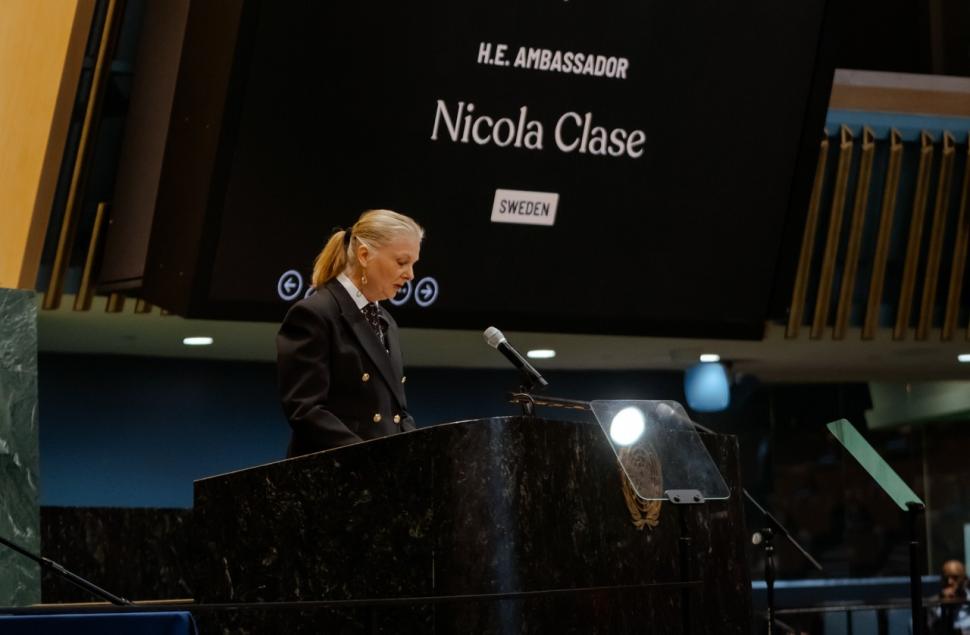
Permanent Representative to the United Nations of Sweden, Nicola Clase, highlighted the contributions of the women who came before her, saying, “Progress happens not in isolation, but in connection. Not in one moment, but across generations. And yet, today we must be honest: millions of women and girls still face barriers – barriers in law, barriers in systems, barriers enforced by violence and silence.”
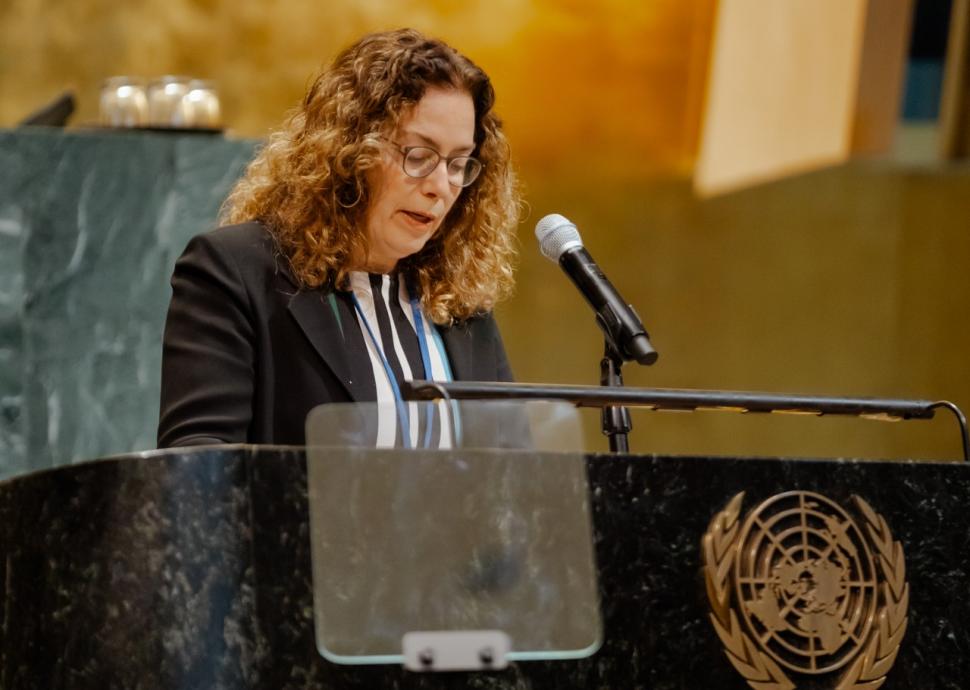
Permanent Representative to the United Nations of Uruguay, Laura Dupuy Lasserre, spoke about becoming the first women to serve as President of the UN Human Rights Council, as well as the first female Uruguayan ambassador to serve her country at the UN as Permanent Representative. “This could not occur, of course, without the inspiration of other great women who came before me, and also the mentoring of both men and women who believed in gender equality.”
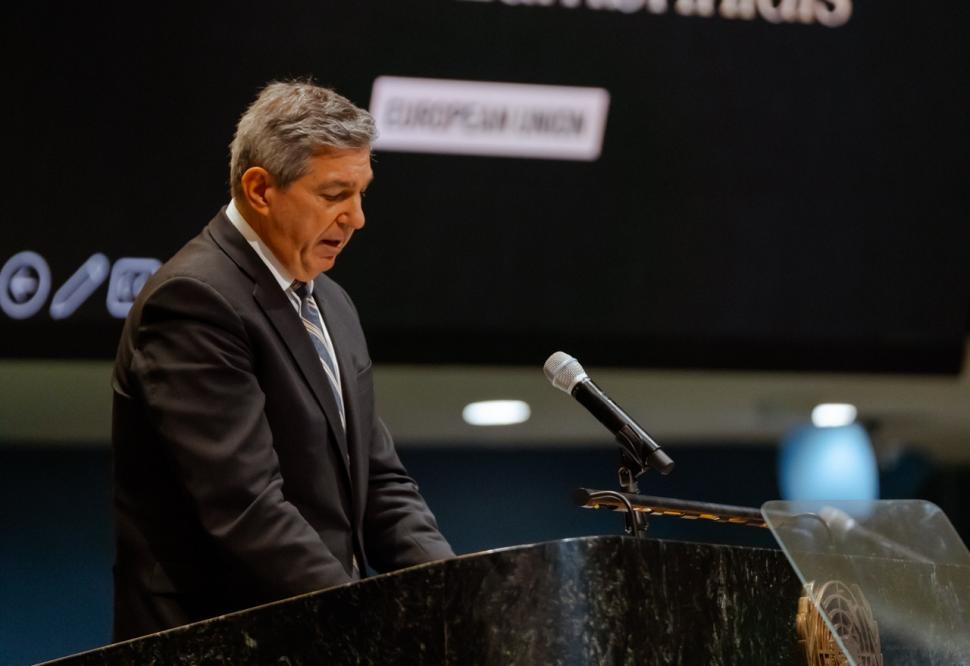
Permanent Representative to the United Nations of the European Union (EU), Stavros Lambrinidis, acknowledged that progress had been made despite pushback to gender equality: “For many decades, these UN halls were almost exclusively filled with men. Women fought to enter, fought to be heard, fought to lead. Today, the voices talent and power of women and girls fill this room.”
Mr. Lambrinidis expressed pride that the EU had partnered with the UN to found Spotlight Initiative, which “has helped prevent violence for more than 21 million women and girls.”
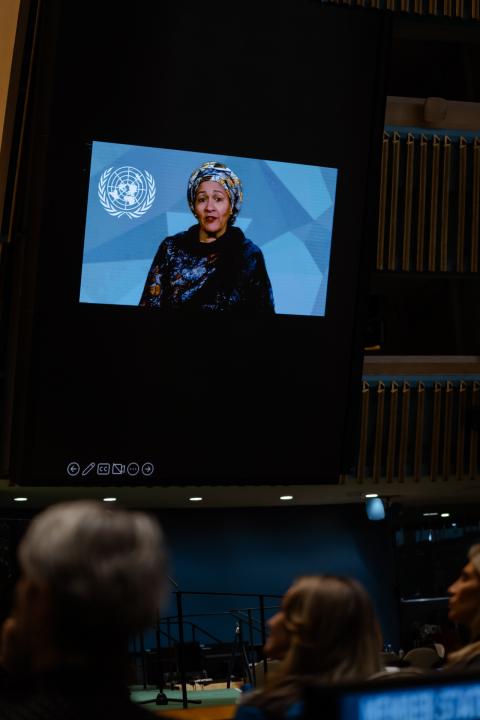
In a recorded message, UN Deputy Secretary-General Amina J. Mohammed talked about the challenges she faced as the eldest of five daughters, a woman in public service and as a mother raising six children while building her career. “Women do not simply endure barriers, they challenge them, break them and widen the path,” said Ms. Mohammed.
“Through our Spotlight Initiative, in partnership with the European Union, we’ve proven that by making critical investments in appropriate laws and policies, institutions, services for survivors, violence prevention and in our women’s organizations, we will generate sustainable and lasting impact for communities and countries,” said Ms. Mohammed.
In her closing address, Ms. Nguyen recounted taking the hospital band from the night she was raped with her to space and looking back at a world that she had helped make safer. “Today may be the last day of Women’s History Month, but we are going to keep pushing for women’s rights all year long," she concluded.